

The Smart Way to Bridge the Gap Between Sports Seasons
Soccer season is just a few weeks away.
That might sound like plenty of time. But for young athletes, this is a valuable window to prepare—not wait.
If your child has finished their last season and has a few weeks before they’re back on the field, now is the time to build the strength, speed, conditioning, and movement quality they’ll need when the season starts.
You don’t need to push them into intense soccer training every day. And you don’t want the entire break to pass without a plan.
You need a bridge between seasons.
A focused training block can help your athlete transition into their next season, giving them a chance to build their physical foundation before practices and games ramp up again.
Because when that first practice arrives, the goal isn’t to start getting ready.
The goal is to already be ready.
The Temptation: Two Mistakes Parents Make in the Gap
When there’s a four-to-six-week gap between seasons, families usually default to one of two things.
Mistake #1: Complete shutdown.
The season ends, the gear goes in the garage, and the kid does nothing structured for a month. They come back to the next sport having lost conditioning, having developed nothing, and often carrying the same small aches they finished the last season with.
Mistake #2: Jump straight into the next sport.
Worried about losing momentum, parents push the soccer kid into indoor soccer right away, or the hockey kid back onto the ice. Same movements. Same stresses. Same muscles doing the same work. No recovery, no rebalancing, no break from the repetitive pattern that’s been loading their body for months.
Both mistakes come from good intentions. Both miss the point.
The gap between seasons isn’t a break from training, it’s a change of training. That distinction is everything.
Benefit #1: Breaking the Repetitive-Use Injury Cycle
Here’s something most parents don’t think about: overuse injuries in young athletes rarely come from one bad moment. They build up quietly over a season of repeating the same motion thousands of times.
A soccer player kicks with the same leg, plants with the same foot, and runs in the same plane — for months. A hockey player strides in the same skating motion, loads the same hip, and rotates the same way — game after game. The tissues that do that work get overworked. The tissues that don’t get underworked. That imbalance is where youth sports injury prevention actually starts.
A six-week program that steps away from the primary sport’s repetitive pattern gives those overused tissues a chance to calm down and heal the irritated tendons, the tight hip flexors, the angry growth-plate areas — while a structured strength and conditioning program builds the stabilizing muscles that were neglected all season.
This is how you prevent the repetitive-use injuries that tend to flare up a few weeks into the next season: Sever’s heel, Osgood-Schlatter knee pain, hamstring strains, hip and groin issues. You don’t wait for them. You address the root cause during the gap.
Benefit #2: Rebalancing the Body
Every sport leaves a signature on a young athlete’s body. Soccer builds a dominant kicking leg, tight hips, and asymmetrical strength from side to side. Hockey builds powerful hips but tight hip flexors, heavy reliance on the skating stride, and groins that are one bad pivot away from a strain.
These aren’t flaws in your kid. They’re the natural result of sport-specific repetition. But if they’re never addressed, they become the ceiling on how far that athlete can develop — and the source of most of the injuries that hold them back.
A six-week off-season strength and conditioning program rebalances the body by training the movements the sport doesn’t:
- Posterior chain (glutes, hamstrings, back), the muscles that soccer and hockey both underdevelop
- Lateral movement, training the side-to-side patterns that linear sports never touch
- Unilateral work, single-leg and single-arm exercises that even out left-to-right imbalances
- Core and hip stability, the foundation that protects the spine and pelvis under load
Six weeks won’t make your kid a bodybuilder. It’s not supposed to. But it’s enough time to correct the movement compensations that built up over the season, strengthen the weak links, and send them into the next sport more balanced and more durable than they were when the last one ended.
Benefit #3: A Mental Refresh and Fresh Excitement
This is the benefit parents underestimate the most, and it’s often the one that matters most for the kid.
Year-round same-sport pressure is the leading driver of youth athlete burnout. When a child does the same sport, in the same setting, with the same demands, with the same expectations, season after season, their motivation quietly erodes. They don’t always say it. Sometimes it shows up as “I don’t feel like going to practice.” Sometimes it shows up as going through the motions. Sometimes it shows up as wanting to quit a sport they used to love.
A six-week program in a different setting a strength and conditioning gym, not the soccer field or the rink doing different movements with different coaches and different kids breaks that monotony in the best way.
It reframes training from “performance pressure” back to “enjoying moving my body and getting better at something new.” Kids who’ve been grinding through a season rediscover that physical activity can feel fresh, fun, and motivating again. They walk back into their sport a few weeks later genuinely excited not drained.
That mental reset is what protects long-term passion. The athletes who stay in sport longest aren’t the ones who never stop. They’re the ones who learn to step away and come back hungry.
Benefit #4: The Bonus Upside You Don’t See Coming
Beyond injury prevention, rebalancing, and the mental refresh, a short between-seasons program stacks a few extra wins:
- A strength and speed base the next season builds on. Six weeks of foundational strength and conditioning means your kid starts the next sport faster, more explosive, and more resilient not playing catch-up.
- Better movement mechanics that transfer to every sport. Learning to squat, hinge, land, and decelerate properly carries into soccer, hockey, and anything else they play.
- Confidence from mastering new skills. There’s something powerful about a young athlete realizing they can get strong, not just skilled. That confidence shows up everywhere.
- A new social environment. Training alongside athletes from other sports reminds kids they’re part of a bigger athletic community not just their one team.
- A head start on long-term youth athlete development. The habits and movement foundations built here compound over years. The kids who start structured strength and conditioning early stay ahead as the demands of their sport ramp up with age.
What a Six-Week CST Program Actually Looks Like
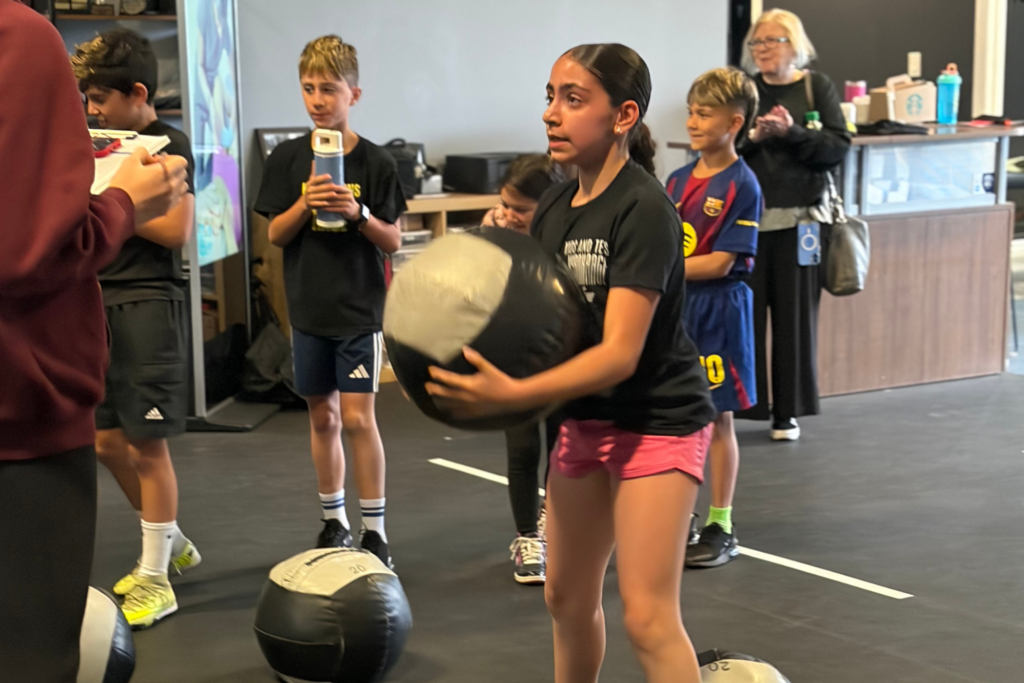
Our CST (Cristini Sports Training) between-seasons program is built for exactly this window the soccer kid waiting for indoor, the hockey kid with a September layover, the multi-sport athlete with a few weeks between seasons.
Over six weeks, we progress through three simple phases:
| Weeks | Focus | Why It Matters |
| Weeks 1–2 | Movement assessment, mobility, calming irritated tissues, learning fundamental patterns | Identifies the imbalances from last season and lets overworked areas recover |
| Weeks 3–4 | Building strength in neglected muscle groups, unilateral balance work, posterior chain and core | Rebalances the body and builds the durability buffer the next sport demands |
| Weeks 5–6 | Converting strength into speed and power, re-introducing conditioning, sport-ready transition | Sends them into the next season faster, fresher, and more confident |
One to three sessions a week. No competing with their sport schedule. No pressure to perform just deliberate, age-appropriate development in a setting that feels different from the one they’ve been grinding in.
Even a Short Break Is Worth Using Well
Here’s the point I want every parent to take away: you don’t need a three-month off-season to make this work.
Even four to six weeks between seasons the gap most families fill with either nothing or more of the same — is enough to prevent the repetitive-use injuries that derail seasons, rebalance a body that’s been doing one thing for months, and remind a young athlete that training can feel fresh and exciting again.
The families who figure this out don’t just have kids who stay healthier. They have kids who stay motivated longer, develop faster, and carry fewer nagging issues from one season into the next.
That’s the real win of the six-week window. Not more training. Better training, at exactly the right time.
Is Your Child Between Seasons This September?
If your soccer or hockey athlete has a few weeks off before their next season starts, this is the window to use it well not let it slip away.
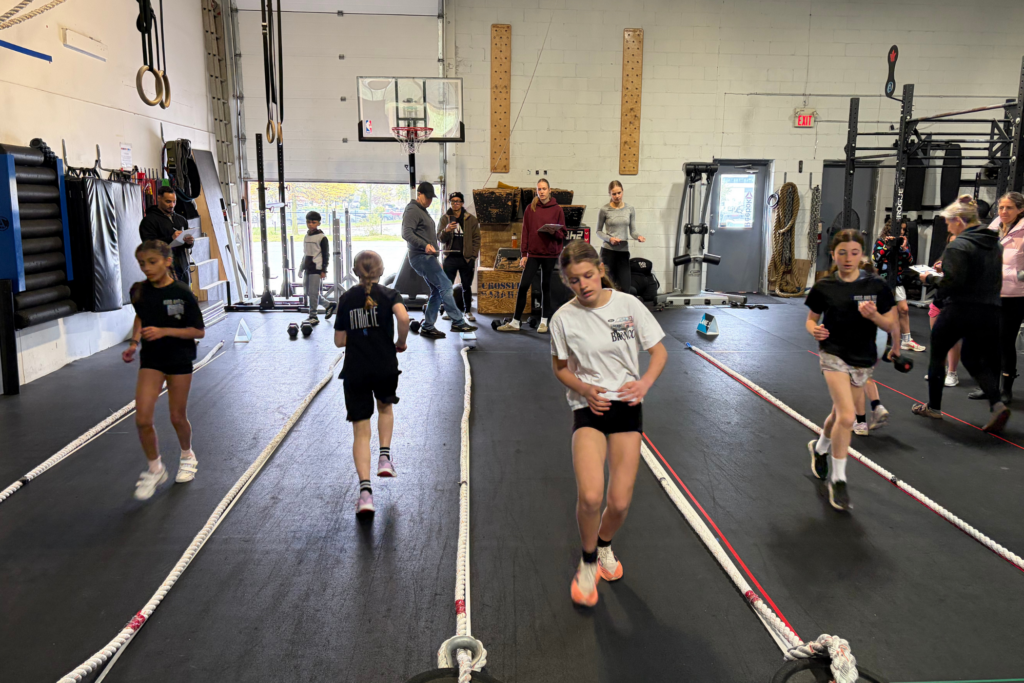
Our CST between-seasons program runs at both our Markham and Vaughan locations and is designed for youth and teen athletes coming out of one sport and preparing for the next.
Written by Chris Cristini, Owner, Head Coach, and Registered Kinesiologist at Cristini Athletics. Chris has 16+ years of experience in youth athlete development and holds certifications as a CSEP-CEP and CrossFit Level 2 Trainer. Cristini Athletics operates two locations in Markham and Vaughan, Ontario.