

The season is over. The uniform is washed. The equipment is in the garage.
Now what?
For most families, the off-season feels like a well-earned break — and it should include rest. But for high-level youth and teen athletes who want to compete at the next level, what you choose to do with that time is one of the most consequential decisions you’ll make for your child’s athletic future.
Not because rest is bad. It’s essential. But because the off-season is the only window where real youth athlete development can actually happen.
Why Real Athletic Development Can’t Happen In-Season
During the competitive season, everything is about maintenance and execution. Coaches are focused on team strategy, winning the next game, and keeping players healthy enough to compete. There’s no room to rebuild mechanics, correct imbalances, or build a new physical foundation. That’s not a criticism — it’s just the reality of competitive sport.
The off-season removes that pressure entirely.
It’s where your child can break down and rebuild a shooting form, fix a movement pattern that’s been quietly causing compensation, work on the weaknesses that coaches never have time to address mid-season, and build the physical engine required to dominate at the next level.
The season shows what your athlete has. The off-season — through structured youth strength and conditioning — builds what they’ll need.
What’s Actually at Stake
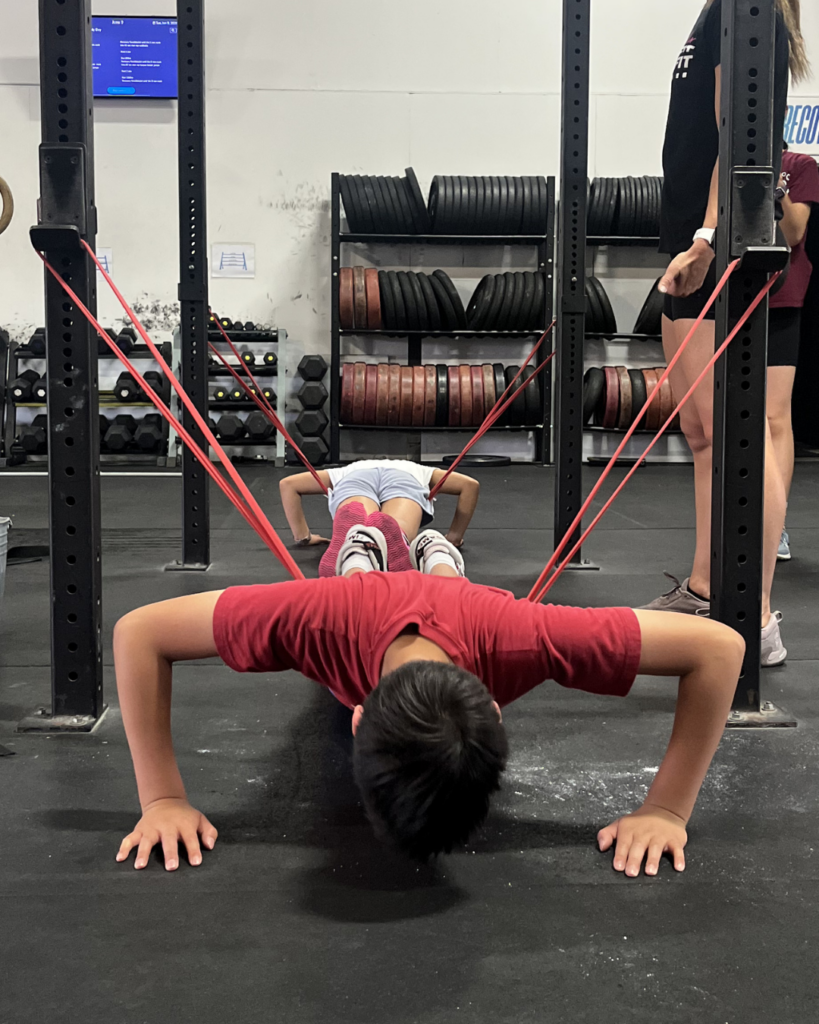
Let’s be direct about what happens to young athletes who treat the off-season as a complete shutdown.
When the next season starts, others will have progressed. An athlete who didn’t use their time wisely may find themselves one step behind — slower, weaker, and less prepared than peers who made a deliberate choice to improve. They may lose playing time. And when that happens, the self-doubt creeps in: Am I good enough? Is this even for me?
Here’s the hard truth: it’s not always about talent. Sometimes it’s about preparation. And an athlete’s mind will push them to keep going, keep competing, keep showing up — while their body, undertrained and underprepared, quietly raises the risk of injury every time they step on the field.
That’s not a failure of character. It’s a failure of preparation that could have been avoided.
The Three Pillars of Smart Off-Season Youth Athlete Development
1. Physical Development & Youth Sports Injury Prevention
Repetitive sport-specific movements — kicking, throwing, sprinting in one direction — build lopsided strength over a full season. These muscle imbalances don’t fix themselves. Left unaddressed, they develop into compensations that limit performance and eventually lead to injury.
Off-season youth sports injury prevention starts by isolating and correcting these vulnerabilities before they become a problem in the next season.
Growing bodies face a specific challenge: rapid bone growth that outpaces tendon and ligament flexibility. This naturally spikes injury risk. Structured youth strength and conditioning during the off-season — focused on joints, tendons, and stabilizing muscles — builds a durability buffer that protects athletes as demands increase with age and level.
And it’s the only time real power and speed gains are possible. In-season training is maintenance. The off-season is where athletes actually get faster, more explosive, and stronger — with the recovery time and physical capacity to absorb those adaptations.
As your child moves up in levels, the demands increase: more speed, more power, heavier loads, more physical contact. The athletes who can handle those demands are the ones who built their base during the off-season. The ones who didn’t often find their bodies saying no before their minds do.
2. Skill Mastery Without Pressure
During the season, athletes play to win. They play safely. They avoid the risks that come with trying something new or unfamiliar, because the cost of a mistake is real — bench time, a lost game, a coach’s disappointment.
The off-season removes that pressure entirely.
It becomes a low-stakes environment to experiment with advanced skills, modify mechanics, and work on the technical weaknesses that competitive seasons never allow time to address. A shooting form that needs rebuilding. Footwork that needs to be rewired. A movement pattern that’s slightly off and has been causing quiet inefficiency all season.
This is where breakthroughs in youth athlete development actually happen — not in games, but in the quiet, deliberate work done when nobody’s watching.
3. Mental Reset and Long-Term Passion
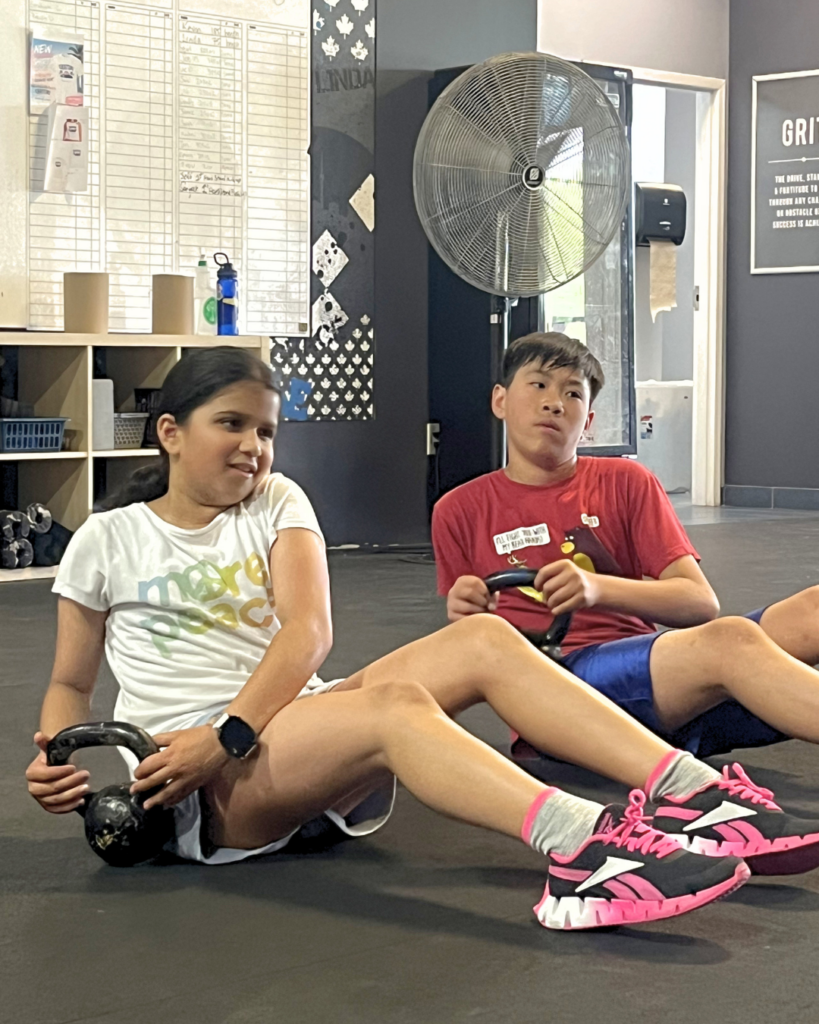
Year-round competitive pressure takes a toll. Psychological fatigue is real, and it’s one of the leading reasons talented young athletes burn out before they reach their potential.
The off-season isn’t just physical rest — it’s a mental shift. Moving the focus from winning games to improving as an athlete gives young competitors the reset they need to come back hungry, motivated, and mentally fresh.
Cross-training with different sports or general athletic movements — swimming, climbing, agility work — builds overall athleticism while preventing the deep mental staleness that comes from doing only one thing, year-round, with everything on the line.
A Smart Off-Season Youth Strength & Conditioning Framework: Three Phases
Effective youth athlete development doesn’t happen in one block — it’s a progressive build. Here’s how a well-structured off-season strength and conditioning program should look:
| Phase | Primary Focus | Weekly Frequency |
|---|---|---|
| Early Off-Season (Weeks 1–4) | Full rest from primary sport, active recovery, healing minor aches | 2–3 days/week |
| Mid Off-Season (Weeks 5–8) | Youth strength and conditioning: imbalance correction, movement mechanics, foundational power | 3–4 days/week |
| Late Off-Season (Weeks 9–12+) | Converting strength into explosive speed, sport-specific conditioning, ramping intensity | 4–5 days/week |
Skipping the early rest phase is one of the most common off-season training mistakes. Athletes need time to decompress — physically and mentally — before loading them back up. Respecting that recovery window is what makes the later phases of youth athlete development effective.
It’s About More Than Athletic Performance
Here’s what I believe about coaching young athletes: getting them strong is the easy part.
The deeper work — the part that actually changes a child’s life — is teaching them how to take ownership of their development.
The more a young athlete understands the relationship between their choices and their outcomes, the more prepared they are for everything beyond sport. That’s how life works. You make a choice, you accept the consequences, you grow.
If a young athlete consciously chooses to take the off-season completely off, understands what that might mean for the upcoming season, and accepts that responsibility — that’s not a failure. That’s maturity. That’s exactly the kind of self-awareness we’re trying to build.
Our coaching philosophy at Cristini Athletics isn’t about forcing a path. It’s about giving young athletes the professional guidance and honest information they need to make their own informed decisions. The ones who voluntarily choose to invest in their development, who show up during the off-season because they want to improve — those are the athletes who carry that discipline and self-belief into everything else they do.
The more they understand how to take control through conscious, deliberate action — whether in youth strength and conditioning, in school, or in life — the more they understand how the world actually works.
We’re not just building athletes. We’re building people who know how to take control of their lives.
Is Your Child’s Off-Season Building Their Competitive Edge?
If your young athlete plays at a high level and you want to make sure this off-season counts, our CST (Cristini Sports Training) program is built exactly for this window.
We work with youth and teen athletes to:
- Correct the muscle imbalances and movement compensations that built up during the season
- Build real strength, speed, and explosive power through structured youth strength and conditioning
- Deliver targeted youth sports injury prevention so they enter the next season more durable, not just fitter
- Develop the athletic confidence and mental resilience that carries over into every season ahead
→ Get Started with CST
Written by Chris Cristini — Owner, Head Coach, and Registered Kinesiologist at Cristini Athletics. Chris has 16+ years of experience in youth athlete development and holds certifications as a CSEP-CEP and CrossFit Level 2 Trainer. Cristini Athletics operates two locations in Markham and Vaughan, Ontario.