

If you’re nervous about your child lifting weights, you’re not alone.
A lot of parents carry a quiet fear that strength training will:
- Injure their kid
- “Ruin their joints”
- Stunt their growth
- Cause a serious long-term problem that they’ll regret
That anxiety usually comes from a sentence we’ve all heard at some point: “Weights are bad for kids.”
But here’s the honest question most parents never get to ask out loud:
Where did I hear that from… and is it actually true?
This article is here to help you think clearly, logically, and calmly-without hype.
The real question isn’t “Is strength training safe?”
The real question is:
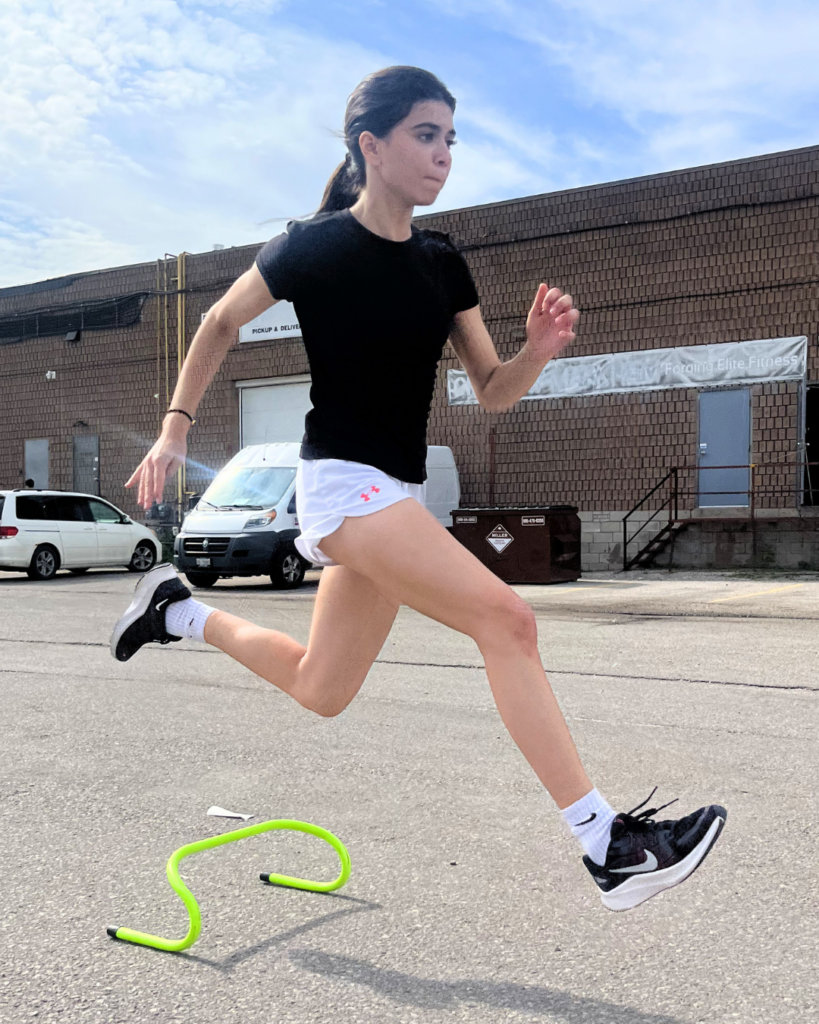
What kind of strength training is safe-and what kind is not?
Because if you picture a coach handing a 10–16-year-old a 200 lb barbell on day one and saying “good luck,” you’re right to be worried.
That’s not coaching. That’s negligence.
A legitimate youth program doesn’t stay in business by getting kids hurt. It stays in business by keeping them safe, progressing slowly, and building confidence.
What safe strength training for kids actually looks like
Safe youth training is not “maxing out.” It’s not ego lifting. It’s not punishment.
It looks like:
- Learning how to move first (squat, hinge, push, pull, brace)
- Using light loads that a child can control
- Practicing technique with feedback
- Progressing slowly over weeks and months
- Stopping sets before form breaks down
In other words: it’s skill-building.
“Will lifting weights stunt my child’s growth?”
This is the #1 fear.
To understand it, we need to talk about what people are really worried about: growth plates.
What is a growth plate?
A growth plate (also called a physis) is an area of developing tissue near the ends of certain bones in kids and teens. It’s part of how bones grow during childhood.
Parents hear “growth plate” and assume:
- Any weight training will damage it
- Any damage will stop growth
- Strength training is the main risk
That’s not a logical chain-it’s a fear chain.
What actually damages growth plates?
Growth plate injuries usually happen from:
- Falls
- Collisions
- Contact sports
- High-speed, uncontrolled impacts
Think about soccer slide tackles, football tackles, hockey collisions, basketball landings, playground falls.
If you’re worried about growth plates, it’s worth knowing this:
Your child is far more likely to experience a growth plate injury from sport impact than from a properly coached strength program.
A simple logic check most parents miss
Ask yourself:
- How many kids do you know who are short because they lifted weights?
- How many kids do you know who got hurt playing sports?
Most parents can name multiple sport injuries.
Very few can name a real example of “weight training made them short.”
That’s because the scary story travels farther than the evidence.
“But isn’t lifting weights dangerous for kids?”
It can be-if it’s done recklessly.
Here’s the key distinction:
Strength training isn’t automatically dangerous. Poor coaching is dangerous.
The unsafe version looks like:
- Lifting heavy loads too soon
- No coaching on technique
- No progression plan
- Training to failure every session
- Kids trying to impress friends
- Adults treating kids like mini pro athletes
The safe version looks like:
- A coach who teaches movement first
- Loads that match the child’s ability
- Clear rules and supervision
- A program that builds gradually
The gymnastics example: why bodyweight “counts” but dumbbells don’t?
Here’s a comparison that helps parents see the double standard.
We’ll watch a 7-year-old do rope climbs in gymnastics-pulling their entire bodyweight 10+ feet in the air-and we call it impressive.
But give a 12-year-old a 10 lb dumbbell and suddenly it’s “unsafe.”
That doesn’t mean gymnastics is bad.
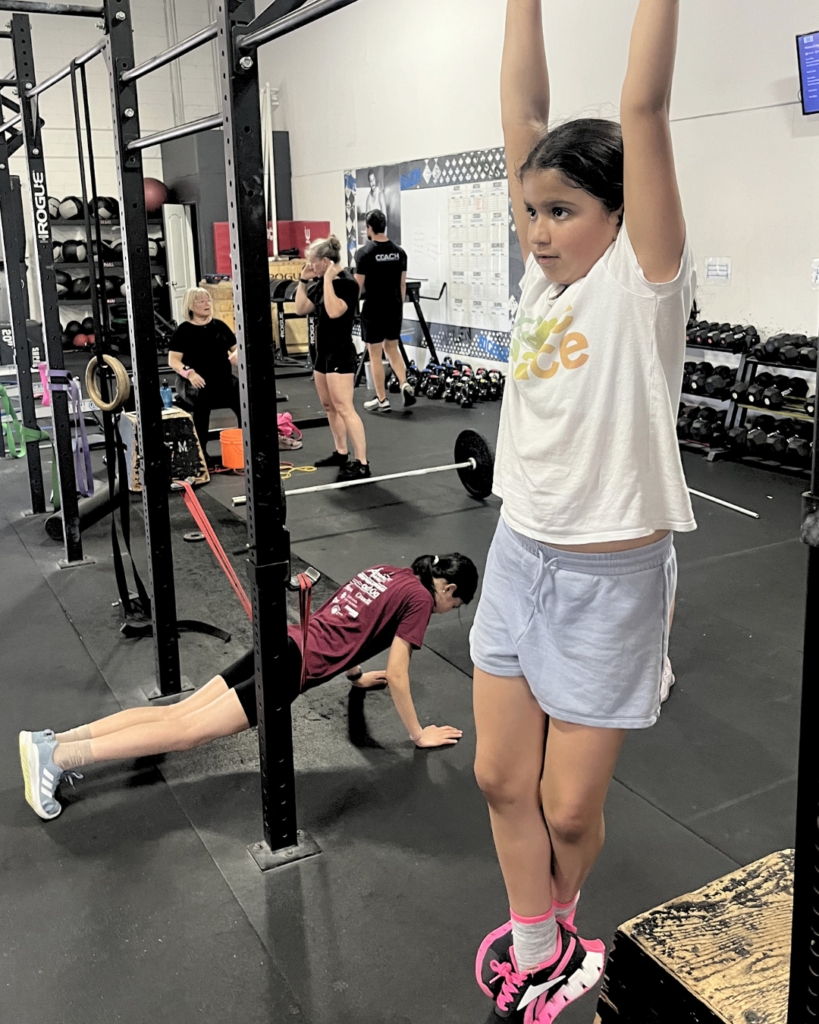
It means we need to be honest: Kids already do strength training.
We just don’t call it that when it’s:
- Climbing
- Jumping
- Sprinting
- Tumbling
- Hanging
- Pushing
The question isn’t whether kids should build strength.
The question is whether they should do it:
- Randomly and unsupervised
- Or progressively and coached
What parents should look for in a safe youth strength program
If you’re anxious, this checklist gives you control.
A safe kids/teen program should have:
- Coaches who can explain why they’re doing each movement
- Technique standards (not “just get it done”)
- Scaled options for different abilities
- Small enough groups that kids are actually watched
- A clear progression plan (weeks/months, not “new workout every day forever”)
- A culture that rewards form and effort, not ego
If a program can’t answer your questions clearly, trust that instinct.
The bottom line
If strength training means:
- heavy weights on day one
- no coaching
- no progression
Then no-it’s not safe.
But if strength training means:
- learning movement skills
- being coached
- building gradually
- staying within what a kid can control
Then yes-strength training for kids and teens is safe, smart, and one of the best ways to build resilience.
What to do next
If you want help choosing the right starting point for your child (kids or teens), we’ll guide you based on age, confidence, and experience.
Get started here: https://www.cristiniathletics.com/get-started/
Written by Chris Cristini, R.Kin, CSEP-CEP (CF-L2).