


In modern hockey, split-second decisions and explosive movement separate good players from great ones. One training element that’s gaining serious traction with high performers is fascia-focused training—because the game isn’t just about muscles. It’s about how your whole body connects, transfers force, and rebounds shift after shift.
Fascia is your body’s connective tissue network. When it’s trained well, it can support:
- Explosive skating power (better starts, acceleration, and edge work)
- Quick direction changes (deceleration control and re-acceleration)
- Cleaner force transfer for harder shots and more efficient rotation
- Resilience and recovery across practices, games, and long seasons
Why fascia matters for hockey performance
Hockey is elastic by nature: you load, cut, rotate, absorb contact, and repeat. Fascia helps link those actions together so your power doesn’t “leak” between your hips, trunk, and shoulders.
When athletes improve tissue quality, joint control, and movement coordination, they often notice:
- Smoother skating mechanics and better stride efficiency
- Sharper edge transitions and quicker lateral movement
- Improved puck control through better coordination and fluid movement
- More consistent shot mechanics through better timing and force transfer
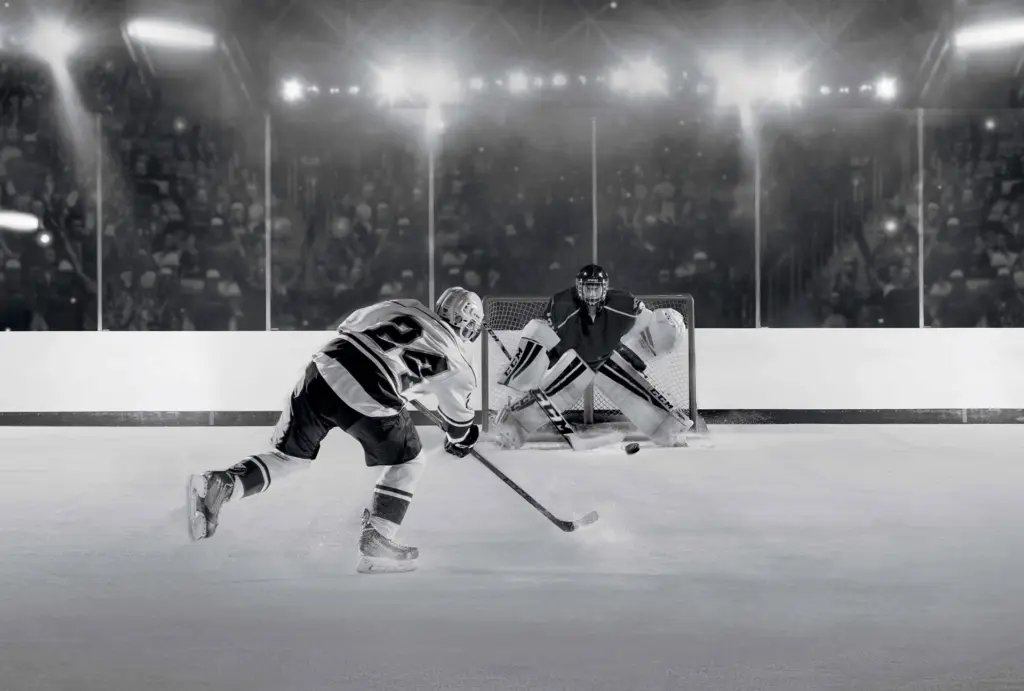
The science behind hockey movement (in plain English)
A well-built fascia-focused program aims to improve how your body:
- Stores and releases energy (think spring-like stiffness and rebound)
- Transfers force from the ground up (skates → hips → trunk → hands)
- Handles repeated high-intensity efforts without breaking down
The result isn’t “magic mobility.” It’s better movement options under speed, fatigue, and contact.
What fascia training looks like (without overcomplicating it)
A hockey-specific fascia approach doesn’t need to be complicated. The goal is to layer in the right inputs at the right time:
- Smart dynamic prep before skating/training (to prime elastic output)
- Targeted mobility + control work (hips, ankles, thoracic rotation)
- Deceleration and change-of-direction mechanics (reduce injury risk, improve quickness)
- Recovery protocols that support tissue resilience between games
Why it’s a competitive edge (and an injury-prevention tool)
Players who train these qualities consistently tend to:
- Maintain speed deeper into games
- Recover faster between shifts and sessions
- Reduce common breakdown patterns (groin/hip irritation, low back tightness, knee overload)
This matters most over a long season—when staying healthy is often the biggest performance advantage.
Fascia training at Cristini Athletics
From explosive starts and sharper edge work to harder shots and faster recovery, fascia-focused training can be a difference-maker.
At Cristini Athletics, our coaches integrate fascia-based principles into hockey preparation in a way that’s practical and performance-driven. Whether you’re:
- A competitive player chasing an edge
- Dealing with recurring aches and tightness
- Trying to improve speed, agility, and durability
…we’ll build a plan that fits your season, your position, and your body.
Ready to level up your hockey performance?
Book a consult or come train with us in Markham or East Woodbridge. Let’s build a faster, more resilient athlete one shift at a time.