

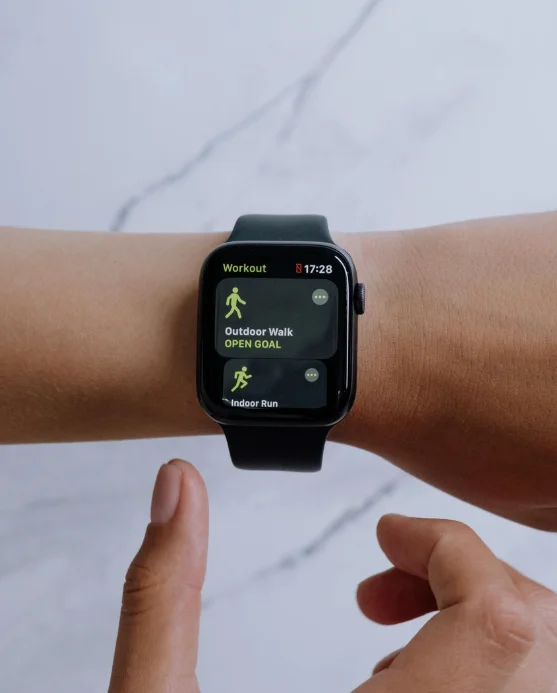
Wearables for teen athletes can be a helpful tool—or a risky shortcut—depending on how they’re used. In 2026, AI-driven readiness scores are everywhere, but teens still need coaching, not just data. Here’s how parents can use wearables to support healthier habits without turning training into pressure or obsession.
What wearables can help with (when used correctly)
Wearables can be useful for:
- Encouraging consistency (streaks, activity goals)
- Tracking sleep patterns over time
- Monitoring heart rate during conditioning
- Helping athletes understand recovery basics
For some teens, data is motivating because it feels like a game.
The risk parents should watch for
Tech becomes a problem when it replaces coaching:
- Teens chase numbers instead of learning technique
- They train too hard because the app says they’re “ready
- They ignore pain because they don’t want to lose progress
- They burn out (physically or mentally)
Data without context can push kids into the exact thing parents are trying to prevent.
The real “AI advantage” is personalization
The best part of modern training isn’t the device.
It’s the shift away from one-size-fits-all.
It’s the shift away from one-size-fits-all.
- Training that matches maturity and experience
- Progressions that build skill before load
- Conditioning that supports sport and health
- Recovery strategies that reduce overuse injuries
That’s not an app. That’s coaching
How Cristini Athletics uses modern training principles (without the hype)
We’re not anti-tech. We’re anti-shortcuts.
CST Semi-Private Training (structured + personalized)
CST semi-private training is ideal for teens who want performance and structure because it includes:
- Coach-led programming with individual adjustments
- Strength, speed, and durability (GPP) work
- Progress tracking that’s meaningful (not obsessive)
- A plan that respects recovery and school stress
If your teen uses a wearable, great—we can help them interpret it in a healthy way.
Learn more about CST Semi-Private Training here:
https://www.cristiniathletics.com/kids-and-teens-programs/#cst-semi-private
Teens & Kids CrossFit (skill first, confidence first)
For younger athletes and teens building a base, our program focuses on:
- Movement quality
- Strength fundamentals
- Conditioning that’s appropriate for their age
- Community and consistency
We want them leaving sessions feeling stronger—not judged by a score.
Learn more about Teens & Kids CrossFit here:
https://www.cristiniathletics.com/kids-and-teens-programs/#teens-kids-crossfit
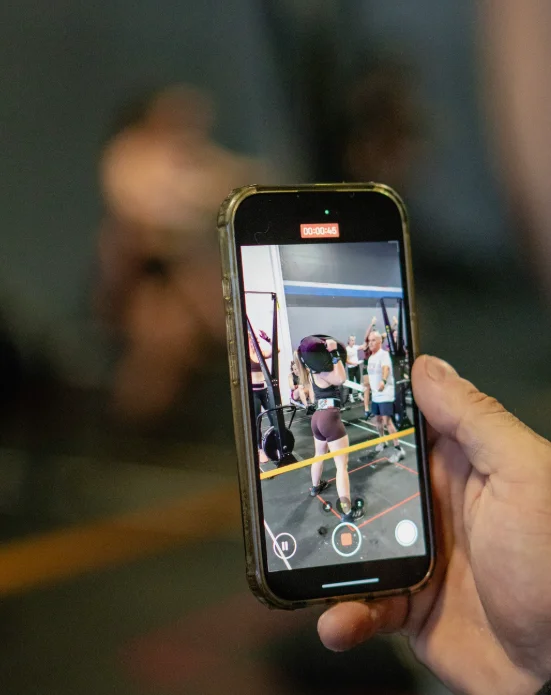
A simple rule for parents using wearables
Use wearables for:
- Awareness (sleep, steps, general activity)
- Motivation (consistency)
Avoid using them for:
- Daily “readiness” decisions without coaching context
- Comparing your teen to others
- Pushing intensity when they’re already stressed
FAQ: Wearables + teen training
- Are wearables accurate for teens? Treat the data as a trend, not truth. It’s useful for noticing patterns, not making perfect daily decisions.
- Should my teen follow “readiness scores”? Not without context (school stress, sport schedule, soreness, mood, and training history).
- What are signs of overtraining in teens? Persistent fatigue, mood changes, nagging pain, performance drop, and trouble sleeping.
- How many days a week should teen athletes strength train? Most do best with 2–4 days depending on sport season, training age, and recovery.
Want a training plan that fits your teen (not a generic app)?
If you’re trying to balance tech, motivation, sport performance, and mental health, we can help.
Start here:
- CST Semi-Private Training:
https://www.cristiniathletics.com/kids-and-teens-programs/#cst-semi-private - Teens & Kids CrossFit:
https://www.cristiniathletics.com/kids-and-teens-programs/#teens-kids-crossfit
Prefer to talk to a coach first? Contact Cristini Athletics and we’ll recommend the best next step.
Author: Chris Cristini, R.Kin, CSEP-CEP (CF-L2)